

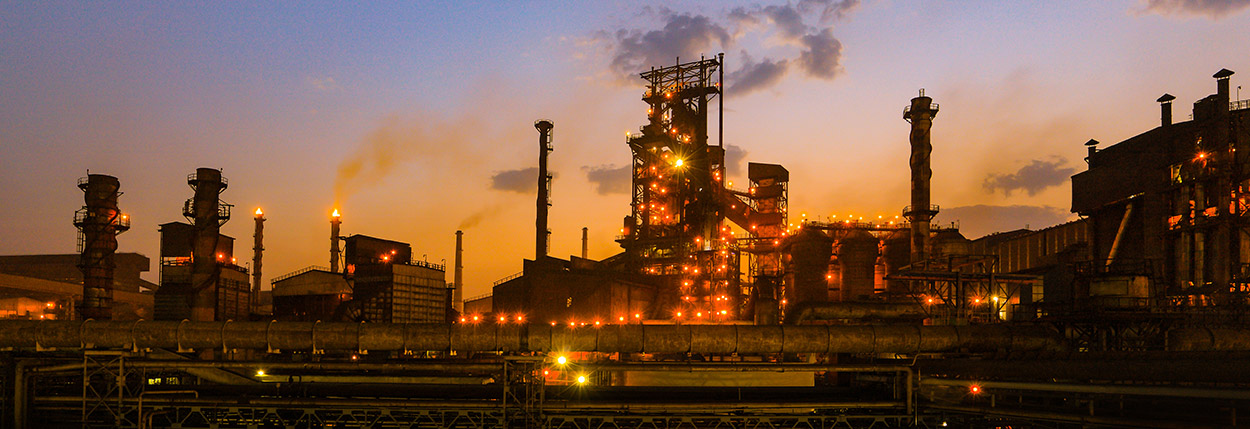
Industry, in its multifaceted essence, stands as the cornerstone of modern civilization. It is the intricate web of enterprises, technologies, and human ingenuity that collectively drives economic progress, societal development, and the transformation of raw materials into goods and services. From the earliest days of the Industrial Revolution to the sprawling digital economies of today, industry has continuously evolved, shaping how we live, work, and interact on a global scale.
At its core, industry refers to the organized production of goods and services within an economy. It encompasses a vast array of sectors, including manufacturing, construction, mining, and even emerging fields such as technology and biotechnology. This diversity reflects not only the breadth of human needs but also the adaptability of industry to changing environments, consumer demands, and technological advancements.
The historical significance of industry cannot be overstated. The Industrial Revolution, which began in the late 18th century, marked a profound shift from agrarian economies to mechanized manufacturing. This transition fueled unprecedented economic growth, urbanization, and social change. Factories proliferated, steam engines powered production lines, and new materials like steel and coal became the lifeblood of industrial development. These innovations not only increased productivity but also altered the societal fabric, catalyzing the rise of the middle class and transforming labor relations.
In contemporary times, industry has become far more complex and interconnected. The rise of globalization has facilitated the expansion of supply chains that span continents, enabling the production process to tap into specialized skills, resources, and markets worldwide. Companies now operate with an eye towards efficiency, sustainability, and innovation, often balancing these sometimes competing priorities to maintain competitiveness.
Technological advancement remains a driving force behind industrial evolution. The Fourth Industrial Revolution, characterized by the fusion of physical, digital, and biological systems, heralds a new era of automation, artificial intelligence, and data analytics. Smart factories, the Internet of Things (IoT), and robotics are transforming traditional manufacturing processes into highly flexible and responsive operations. This not only enhances productivity but also minimizes waste and environmental impact, aligning industry with the growing imperative for sustainability.
Sustainability, indeed, has emerged as a critical consideration in modern industry. The traditional model of industrial growth, often criticized for environmental degradation and resource depletion, is giving way to more responsible practices. Circular economy principles—where waste is minimized, and materials are continually reused—are gaining traction. Companies are investing in green technologies, renewable energy, and sustainable supply chains to reduce their carbon footprints and comply with increasingly stringent regulations. This shift is not only environmentally necessary but also economically prudent, as consumers and investors increasingly favor businesses committed to ethical and sustainable operations.
The human element remains central to industry’s success. Despite automation and digital transformation, the workforce continues to play a vital role. Skilled labor, innovation-driven management, and a culture of continuous learning underpin industrial excellence. Educational institutions and vocational training programs have adapted to prepare workers for the evolving demands of industry, emphasizing STEM (science, technology, engineering, and mathematics) education alongside critical soft skills. Moreover, the industrial sector is increasingly aware of the need to foster diversity and inclusion, recognizing that varied perspectives enhance creativity and problem-solving.
Industry’s impact extends beyond economics and employment; it shapes societies culturally and politically. Industrial hubs often become melting pots of ideas, traditions, and innovations, contributing to urban development and cultural exchange. Industrialization has historically been linked to political shifts, from the rise of labor movements advocating for workers’ rights to contemporary debates over trade policies and industrial regulation. In this way, industry is inextricably linked to the broader societal landscape, influencing governance and public policy.
Looking ahead, industry faces both immense opportunities and formidable challenges. The ongoing digital revolution promises to unlock new efficiencies and business models, yet it also raises concerns about job displacement and cybersecurity. Climate change demands urgent action from industrial sectors, pushing for innovation in clean energy, sustainable materials, and eco-friendly manufacturing methods. Furthermore, geopolitical uncertainties and trade tensions pose risks to global supply chains, necessitating resilience and adaptability.
To navigate this complex future, industries must embrace agility and collaboration. Public-private partnerships, international cooperation, and cross-sector innovation will be essential in addressing shared challenges and leveraging collective expertise. Investment in research and development, coupled with a commitment to ethical practices, will enable industries to thrive sustainably.
In conclusion, industry is far more than a mechanism for producing goods; it is the dynamic engine propelling human progress. Its evolution reflects our capacity for innovation, adaptation, and resilience. As we stand at the crossroads of technological and environmental transformation, industry’s role in shaping a prosperous, equitable, and sustainable future is more vital than ever. Through mindful stewardship and visionary leadership, industry will continue to be the backbone upon which modern civilization is built and advanced.